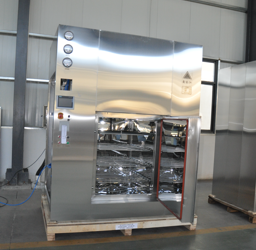

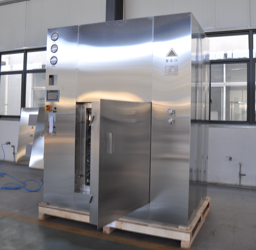
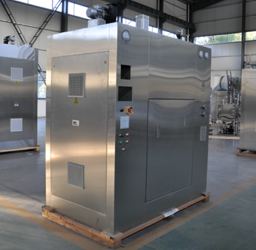
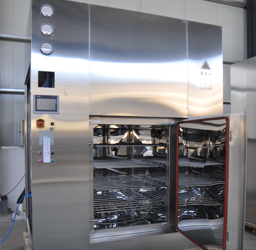
Working Principles of Dry Heat Sterilization Cabinet
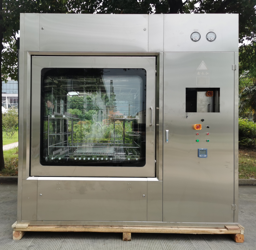
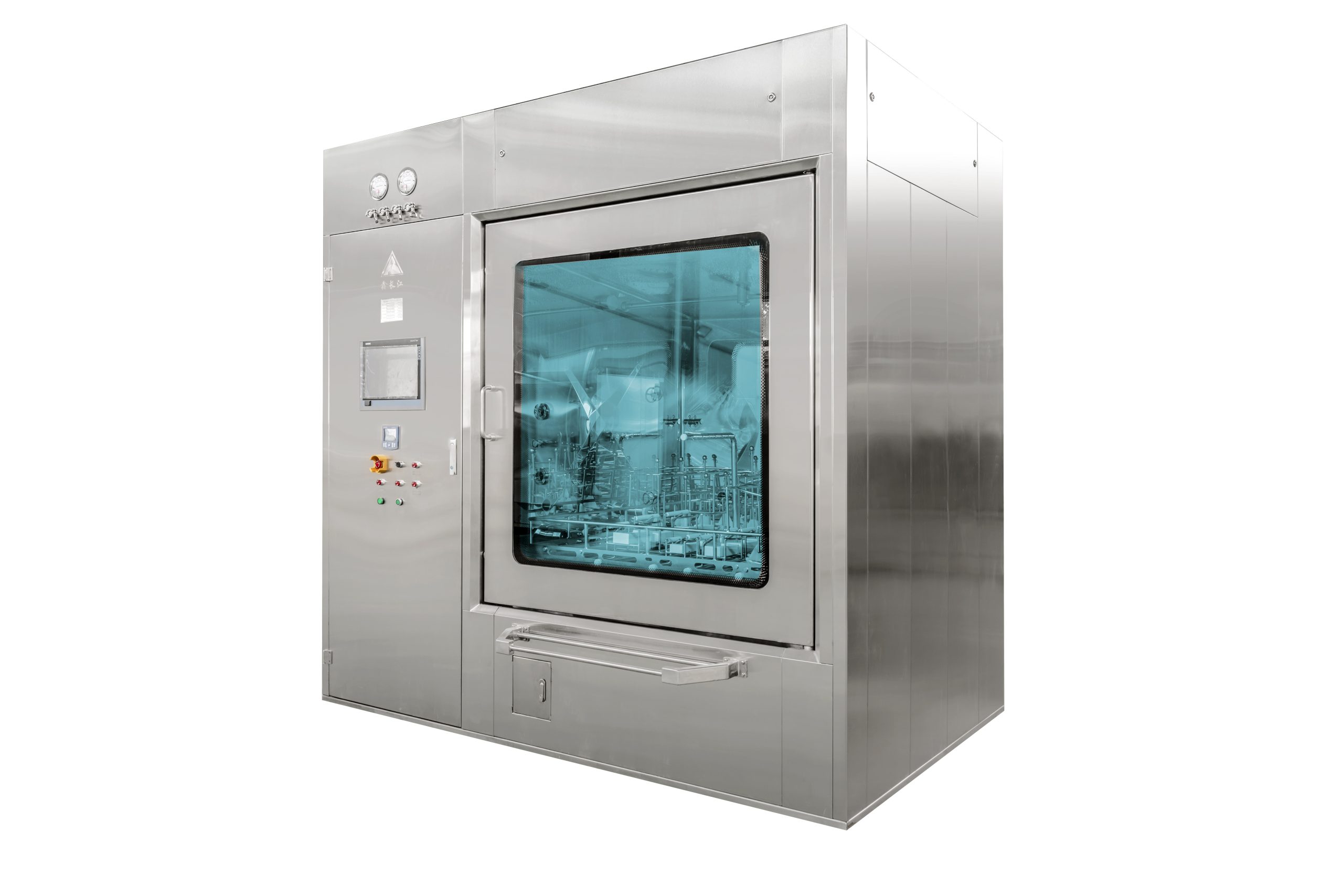
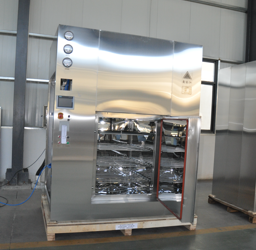
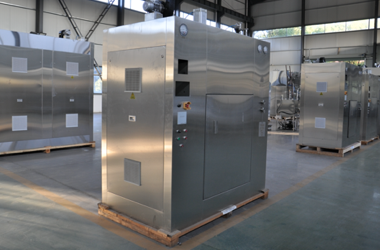
A dry-heat sterilization cabinet is a common piece of sterilization equipment. It sterilizes items through dry heat. So, what is the working principle of a dry heat sterilization cabinet? The working principle of a dry heat sterilization cabinet is mainly to use high temperatures and a dry environment to kill bacteria and other microorganisms. It usually consists of a heating system, a temperature control system, and a sterilization room.
The heating system is the core part of the dry heat sterilization cabinet. It converts electrical energy into thermal energy through heating elements such as electric heating wires or electric heating tubes. The heating system generates a high temperature and transfers heat to the items in the sterilization room, causing them to reach the sterilization temperature. Usually, the sterilization temperature range of a dry heat sterilization cabinet is between 150 °C and 180 °C.
The temperature control system is the key to ensuring the stable operation of the dry heat sterilization cabinet. It monitors the temperature inside the sterilization room through sensors and adjusts it according to the set sterilization temperature. Once the temperature reaches the set value, the temperature control system will automatically stop heating and maintain a constant temperature. At the same time, when the temperature is below the set value, the temperature control system will start the heating system to provide sufficient heat to maintain the stability of the sterilization temperature.
A sterilization room is a space for storing items to be sterilized. It is usually made of stainless steel or aluminum alloy and has good resistance to high temperatures and corrosion. During the sterilization process, the temperature inside the sterilization chamber will continue to rise, and a high temperature and dry environment can kill microorganisms. In addition, the sterilization room is equipped with sealed doors and safety locks to prevent high-temperature steam leakage and ensure the safety of operators.
The working principle of a dry heat sterilization cabinet can be described by the following steps:
1. Preparation: Place the items that need to be sterilized in the sterilization room and ensure that the sterilization room is well sealed.
2. Heating process: Start the heating system, the heating elements start working, and high temperatures are generated. The temperature control system will adjust the heating power according to the set value to gradually increase the temperature.
3. Temperature control: The temperature sensor monitors the temperature inside the sterilization room. Once the temperature reaches the set value, the temperature control system will stop heating and maintain a constant temperature. If the temperature is below the set value, the temperature control system will activate the heating system to provide sufficient heat to maintain temperature stability.
4. Sterilization process: Under constant temperature, the temperature inside the sterilization room is continuously maintained at the set value. High temperatures and dry environments can kill bacteria and other microorganisms, achieving effective sterilization effects.
5. Cooling process: After sterilization is completed, stop the heating system. The temperature inside the sterilization room will gradually decrease until it reaches a safe temperature. The operator can open the sealed door and remove sterilized items.
The dry heat sterilization cabinet achieves sterilization of items through the synergistic effect of the heating system and temperature control system in a high-temperature and dry environment. It has the advantages of good sterilization effect, simple operation, safety and reliability, and is widely used in medical, laboratory, and pharmaceutical fields.
Specification And Model Table
| Product Model | DMH-11 |
| Volume(m³) | 10 |
| Overall Dimension
(W*D*H)(mm) |
2500*2650*1500 |
| Inner Chamber Dimension (W*D*H) (mm) | 3650*3000*2600 |
| Heating Power (KW) | 116 |
| Maximum Amount of Supplementary Air by Frequency Conversion(m³/h) | 1200 |
| Usage Amount of Cooling Water (kg/batch) | 1150 |