Abstract:
Sterilization plays a critical role in healthcare, pharmaceutical manufacturing, laboratory research, and food safety.
Dry heat sterilization and autoclaving are among the most commonly used sterilization methods, both of which use heat to kill microorganisms but function through different mechanisms.
Sterilization standards and guidelines issued by the World Health Organization (WHO) and the Centers for Disease Control and Prevention (CDC) state that effective sterilization must destroy bacteria, viruses, fungi, and bacterial spores to achieve total microbial inactivation.
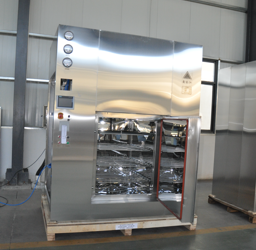
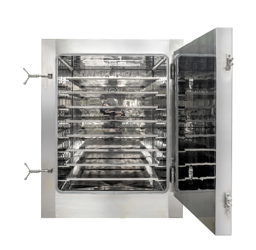
Dry heat sterilization usually employs specialized devices like a Dry Heat Sterilization Cabinet, which circulates hot air at high temperatures to eliminate microorganisms via oxidation. In comparison, autoclaving utilizes pressurized steam to denature proteins and quickly sterilize medical tools and laboratory supplies.
This article offers a detailed comparison between dry heat sterilization and autoclaving. It explains the mechanisms of each method, their benefits and drawbacks, industrial uses, and criteria for selecting the suitable sterilization technique. Additionally, it discusses the function of the Dry Heat Sterilization Cabinet in pharmaceutical and laboratory settings and emphasizes new developments in sterilization technology.
Understanding Sterilization in Medical and Laboratory Environments
Sterilization involves the total eradication of all microbial life forms, such as bacteria, viruses, fungi, and bacterial spores. In the healthcare and pharmaceutical sectors, sterilization is crucial for avoiding contamination and guaranteeing the safety of products.
Sterilization methods are typically divided into various types:
- Heat sterilization
- Chemical sterilization
- Radiation sterilization
- Filtration sterilization
Among these, heat sterilization is the most commonly employed and dependable method due to its efficiency and straightforward application.
Heat sterilization methods are classified into two main types: dry heat sterilization and moist heat sterilization (autoclaving). Recognizing the distinctions between these methods is essential for choosing the appropriate sterilization technique for particular materials.
What Is Dry Heat Sterilization?
Dry heat sterilization involves killing microorganisms by subjecting materials to elevated temperatures without moisture. This technique is usually carried out with devices like a Dry Heat Sterilization Cabinet, which provides a consistent high-temperature setting with even hot-air flow.
Unlike steam sterilization, dry heat sterilization relies on oxidative damage to microbial cells, gradually destroying cellular proteins and DNA.

Working Principle of Dry Heat Sterilization
Dry heat sterilization kills microorganisms by using hot air at high temperatures without moisture. A Dry Heat Sterilization Cabinet employs electric heating components and a forced-air circulation system to ensure uniform heat distribution within the chamber.
The sterilization process primarily depends on oxidative damage and protein denaturation. When temperatures usually range from 160°C to 180°C, microbial cells are eliminated as their proteins coagulate and vital cellular components degrade. This method is particularly appropriate for materials that might be harmed by steam due to the lack of moisture.
A typical dry heat sterilization cycle consists of multiple stages:
- Heating Phase – The temperature inside the chamber slowly increases to reach the desired sterilization temperature.
- Holding Phase – The material stays at the necessary temperature for a designated duration, usually 1–2 hours, depending on the temperature.
- Cooling Phase – The system slowly decreases in temperature to enable the safe removal of sterilized items.
Uniform airflow within the chamber is essential to maintain consistent temperature distribution and ensure effective sterilization on all surfaces of the materials being processed.
Typical Dry Heat Sterilization Parameters
| Temperature | Exposure Time | Typical Applications |
| 160°C | 2 hours | Glassware and metal tools |
| 170°C | 1 hour | Laboratory equipment |
| 180°C | 30 minutes | Rapid sterilization processes |
These conditions ensure complete microbial destruction, including resistant bacterial spores.
What Is Autoclaving?
Autoclaving is a sterilization method that uses moist heat to eliminate microorganisms.
Autoclaves work by heating water to produce steam under pressure, increasing the temperature beyond the boiling point of water.
This high-temperature steam penetrates materials and rapidly denatures microbial proteins.
Working Principle of Autoclaves
An Autoclave uses pressurized saturated steam to perform sterilization. The high temperature, pressure, and moisture work together to quickly eliminate microorganisms, such as bacterial spores. The core process is moist heat sterilization, which leads to the coagulation of microbial proteins and permanent harm to cell membranes and enzymes. A typical autoclave cycle usually includes the following steps:
- The chamber is evacuated of air to enable steam to thoroughly infiltrate the materials.
- Saturated steam is injected, raising both the temperature and pressure.
- The sterilization phase involves maintaining the chamber at around 121°C (15 psi) or 134°C (higher pressure) for a set duration to ensure all microbes are destroyed.
- During depressurization and drying, steam is vented, pressure drops, and the load is dried before removal.
The effectiveness of autoclaving depends largely on adequate steam penetration and heat transfer. Since steam conducts heat more effectively than dry air, autoclaves usually sterilize more quickly than dry heat techniques.
Typical Autoclave Sterilization Conditions
| Temperature | Pressure | Exposure Time |
| 121°C | 15 psi | 15–30 minutes |
| 134°C | 30 psi | 3–10 minutes |
These conditions are widely used in hospitals and laboratories.
Key Differences Between Dry Heat Sterilization and Autoclaving
Although both methods use heat, their mechanisms and applications differ significantly.
Comparison Table
| Feature | Dry Heat Sterilization | Autoclaving |
| Heat type | Dry hot air | Moist steam |
| Typical temperature | 160–180°C | 121–134°C |
| Pressure | Atmospheric | High pressure |
| Sterilization speed | Slower | Faster |
| Moisture | No moisture | High moisture |
| Equipment | Dry Heat Sterilization Cabinet | Autoclave |
These differences determine which method is appropriate for specific materials.
Advantages of Dry Heat Sterilization
Dry heat sterilization is commonly employed for materials that are sensitive to moisture or steam. A Dry Heat Sterilization Cabinet utilizes high temperatures and circulating hot air to eliminate microorganisms and bacterial spores.
Key advantages include:
- Suitable for Moisture-Sensitive Materials
Dry heat sterilization is perfect for items that could be harmed by steam, including powders, oils, metal instruments, and specific types of glassware.
- The process avoids water or steam
Reducing the risk of corrosion and oxidation of metal instruments helps prolong the lifespan of equipment.
- Since dry heat does not leave moisture or chemical residues
It is particularly ideal for sterilizing laboratory glassware and pharmaceutical containers.
- Effective for Heat-Stable Materials
High temperatures (often between 160–180°C) ensure reliable microbial destruction for materials that can withstand intense heat.

Advantages of Autoclaving
Autoclaving is among the most common sterilization techniques employed in healthcare and laboratory settings. An Autoclave utilizes pressurized steam to eradicate microorganisms, including hardy spores.
Key advantages include:
- Highly Efficient Sterilization
Steam sterilization can quickly eliminate bacteria, viruses, fungi, and spores because of the high pressure and temperature involved.
- Faster Sterilization Cycles
Compared to dry heat, autoclaving generally needs lower temperatures (approximately 121–134°C) and shorter cycle durations.
- Wide Material Compatibility
Autoclaves are capable of sterilizing surgical tools, laboratory instruments, textiles, and specific plastics that can withstand heat.
- Reliable and Standardized Process
In healthcare and pharmaceutical industries, autoclaving is a widely accepted method that adheres to strict protocols set by organizations like the World Health Organization.
Applications of Dry Heat Sterilization Cabinets
Dry heat sterilization cabinets are commonly used in environments where moisture-free sterilization is required.
Typical applications include:
- Laboratory Glassware Sterilization
Flasks, test tubes, petri dishes, and pipettes can be sterilized without introducing moisture.
- Pharmaceutical Industry
Dry heat cabinets are used to sterilize powders, oils, and metal containers that cannot be processed with steam.
- Medical Instruments
Certain metal surgical instruments and tools that require corrosion-free sterilization are treated with dry heat.
- Materials Requiring Depyrogenation
Dry heat sterilization can remove endotoxins from glass containers used in injectable drug manufacturing.
Applications of Autoclaves
Autoclaves are extensively utilized in medical, laboratory, and industrial environments because of their effectiveness and dependability.
Typical uses include:
- Hospital Sterilization
Surgical tools, medical devices, and reusable equipment are regularly sterilized with autoclaves.
- Microbiology and Research Laboratories
Autoclaves disinfect culture media, laboratory glassware, and contaminated waste.
- Pharmaceutical Production
They are employed to sterilize equipment, containers, and specific production materials during the manufacturing of drugs.
- Waste Treatment
Biohazardous waste from hospitals and laboratories is often sterilized with autoclaves before disposal to ensure safety.
Choosing Between Dry Heat Sterilization and Autoclaving
Selecting the correct sterilization method depends on several factors.
| Factor | Dry Heat Sterilization | Autoclaving |
| Moisture sensitivity | Ideal | Not suitable |
| Speed requirement | Slower | Faster |
| Material compatibility | Metals, glass | Liquids, textiles |
| Energy efficiency | Moderate | Efficient |
Understanding these factors helps determine the most effective sterilization approach.
Future Trends in Sterilization Technology
The sterilization industry continues to evolve with advances in technology.
Emerging trends include:
- Smart sterilization monitoring systems
- Automated sterilization chambers
- Energy-efficient sterilization equipment
- Hybrid sterilization methods combining heat and chemical processes
These innovations aim to improve sterilization reliability and efficiency.
FAQ: Dry Heat Sterilization and Autoclaving
What is a Dry Heat Sterilization Cabinet?
A Dry Heat Sterilization Cabinet is a sterilization device that uses high-temperature hot air circulation to eliminate microorganisms without moisture.
Which sterilization method is faster?
Autoclaving is generally faster because steam transfers heat more efficiently than dry air.
Can dry heat sterilization kill bacterial spores?
Yes. When used at the correct temperature and duration, dry heat sterilization can destroy bacterial spores.
Why can’t powders be sterilized in an autoclave?
Steam cannot effectively penetrate powders, making dry heat sterilization a better option.
Is dry heat sterilization safer for metal instruments?
Yes. Because it does not involve moisture, dry heat sterilization reduces corrosion risk.
Conclusion
Both dry heat sterilization and autoclaving are crucial sterilization techniques employed in healthcare, pharmaceutical, and laboratory settings. While autoclaving utilizes pressurized steam to provide quick sterilization at lower temperatures, dry heat sterilization depends on hot air to eliminate microorganisms via oxidation. Each method has distinct benefits based on the material being sterilized.
The Dry Heat Sterilization Cabinet is still essential for sterilizing moisture-sensitive materials like glassware, metal instruments, powders, and oils, where steam sterilization would not work or could cause damage. Autoclaves, however, are commonly used in hospitals and research labs because they effectively sterilize liquids, textiles, and surgical tools.
Understanding the differences between these two sterilization methods enables professionals to choose the most suitable technology for their particular application. As sterilization technologies evolve, enhanced equipment design, automation, and monitoring systems will further improve the safety, efficiency, and dependability of sterilization processes across various industries.