Abstract:
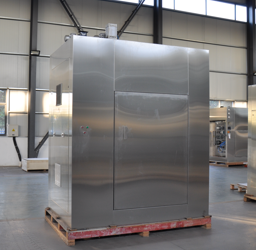
The CT-C Series Hot Air Circulating Oven is a widely adopted industrial drying and heat-treatment system designed for applications requiring stable temperature control, uniform heat distribution, and reliable operational performance.
According to authoritative technical references such as Perry’s Chemical Engineers’ Handbook, Pharmaceutical Engineering – Drying Technologies (Elsevier), and WHO / EU GMP guidelines for pharmaceutical equipment, hot air circulating ovens play a critical role in controlled drying, curing, and thermal processing across pharmaceutical, food, chemical, and manufacturing industries.
This article provides a comprehensive professional overview of the CT-C Series Hot Air Circulating Oven, explaining its working principle, structural design, performance characteristics, industrial uses, regulatory relevance, and selection considerations, offering practical guidance for engineers, equipment managers, and procurement professionals.
Introduction: The Industrial Importance of CT-C Series Hot Air Circulating Oven
Drying and thermal processing are fundamental operations in industrial manufacturing. Whether removing residual moisture, stabilizing material properties, or preparing products for downstream processing, controlled heat treatment is essential for product quality and consistency.
Among various thermal systems, the CT-C Series Hot Air Circulating Oven has become a standard solution due to its balance of performance, reliability, and cost-effectiveness. It is especially common in industries where batch drying, moderate cleanliness, and uniform temperature distribution are required without the complexity of vacuum or microwave systems.
Understanding what the CT-C series oven is and how it is used helps manufacturers select appropriate equipment while meeting productivity and compliance expectations.
What Is the CT-C Series Hot Air Circulating Oven?
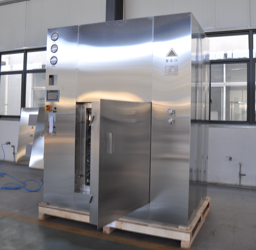
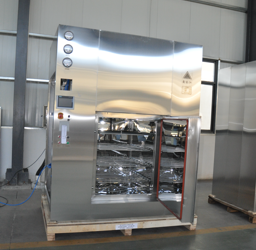
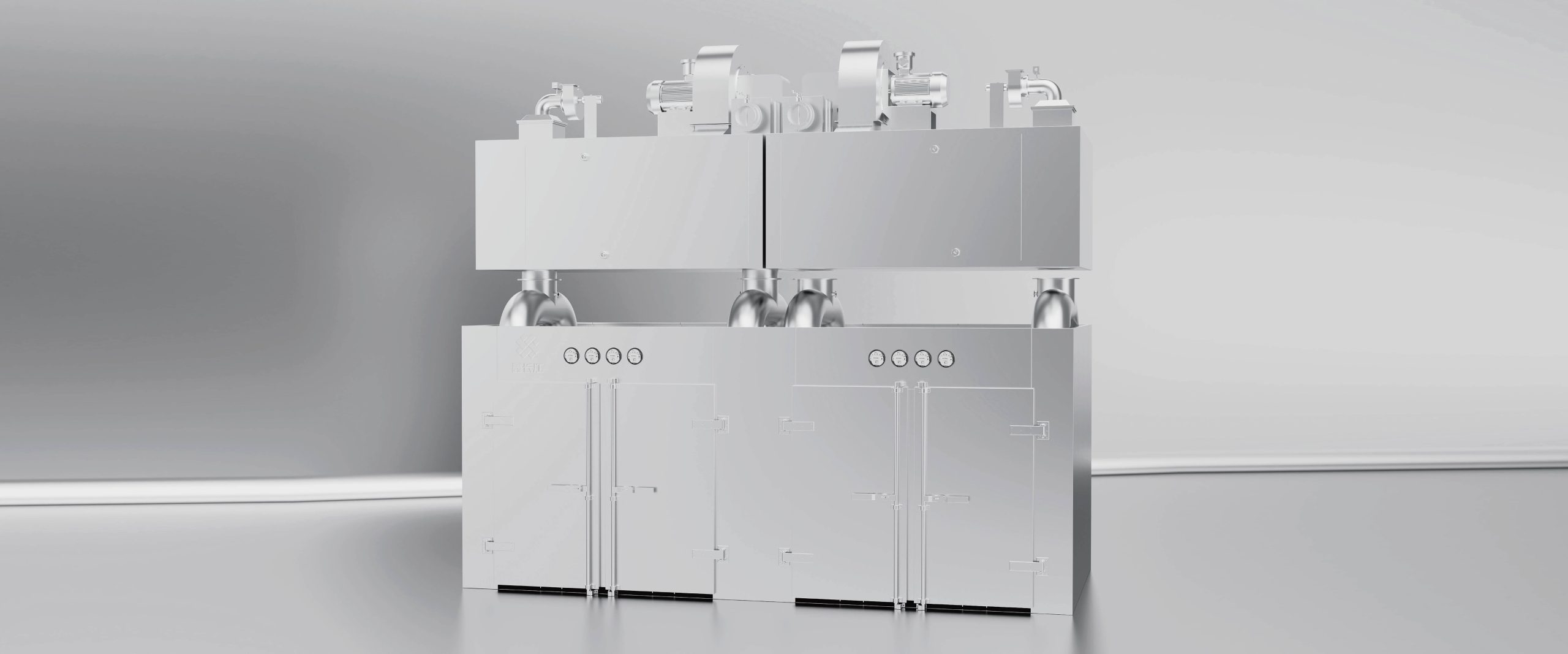
The CT-C Series Hot Air Circulating Oven is a batch-type industrial oven that uses forced hot air circulation to achieve uniform heating and drying of materials placed inside the chamber.
Unlike static ovens, which rely primarily on natural convection, CT-C series ovens employ circulation fans to continuously move heated air throughout the chamber. This design significantly improves temperature consistency and drying efficiency.
Typical defining features include:
Forced hot air circulation system
Adjustable temperature control
Multi-layer tray or shelf configuration
Robust insulated chamber structure
Industrial-grade control and safety systems
The CT-C series is often positioned as a general-purpose industrial drying oven, suitable for a wide range of materials and industries.

Working Principle of the CT-C Series Hot Air Circulating Oven
Hot Air Generation
Electric heaters or steam-based heating elements raise the air temperature to the setpoint defined by the operator. The heating system is designed for stable output and rapid response.
- Air Circulation and Distribution
A circulation fan continuously drives hot air through the oven chamber. The airflow passes across trays or shelves, transferring heat to the material surface and promoting moisture evaporation.
- Heat Transfer and Moisture Removal
As heat is transferred, moisture migrates from inside the material to the surface and is carried away by the moving air. Exhaust ports allow moisture-laden air to exit the chamber.
- Temperature Control
Sensors and controllers maintain the target temperature within a defined tolerance range, ensuring process repeatability.
Structural Design and Main Components
- Oven Chamber
The chamber is typically constructed from stainless steel or coated steel plates, with internal surfaces designed for durability and easy cleaning. Thermal insulation minimizes heat loss and improves energy efficiency.
- Air Circulation System
The fan and duct system ensures even airflow distribution. Proper airflow design is essential for consistent drying results across all trays.
- Heating System
CT-C Series ovens may use electric heating elements or steam coils, depending on configuration and facility infrastructure.
- Control System
Modern CT-C series ovens are equipped with digital temperature controllers, timers, and safety interlocks.
Key Performance Characteristics
The performance of a CT-C Series Hot Air Circulating Oven is typically evaluated based on:
Temperature uniformity
Heat-up time
Drying efficiency
Operational stability
Energy consumption
While not designed for ultra-clean or vacuum environments, CT-C series ovens provide reliable performance for standard industrial drying tasks.
Typical Uses of the CT-C Series Hot Air Circulating Oven
- Pharmaceutical and Healthcare Industry
In pharmaceutical manufacturing, CT-C series ovens are commonly used for:
Drying raw materials and intermediates
Drying herbal medicines
Heat treatment of packaging components
Although higher-grade clean ovens may be required for sterile operations, CT-C series ovens remain widely used for non-sterile processes.
- Food and Agricultural Processing
The oven is used for drying:
Agricultural products
Food ingredients
Nutraceutical raw materials
Controlled hot air drying helps preserve product quality while extending shelf life.
- Chemical and Materials Industry
CT-C series ovens support drying of:
Chemical powders
Granules
Coated materials
Uniform heating reduces the risk of localized overheating or degradation.
- Manufacturing and Industrial Production
In manufacturing environments, CT-C series ovens are used for:
Component drying
Curing coatings
Thermal conditioning before assembly

Advantages of the CT-C Series Hot Air Circulating Oven
Key advantages include:
Uniform temperature distribution
Simple structure and easy operation
High reliability and low maintenance
Flexible tray configuration
Cost-effective investment
These advantages explain why the CT-C series remains a popular choice across multiple industries.
Limitations and Considerations
Despite its versatility, the CT-C series oven has limitations:
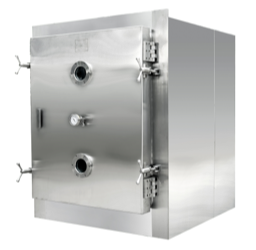
Not suitable for heat-sensitive materials requiring vacuum drying
Limited cleanliness compared to cleanroom-grade ovens
Batch operation limits throughput
Understanding these limitations is essential for correct equipment selection.
Comparison with Other Drying Equipment
| Aspect | CT-C Series Hot Air Circulating Oven | Vacuum Drying Oven | Clean Hot Air Oven |
| Drying method | Forced hot air | Reduced pressure | Filtered hot air |
| Cleanliness level | Standard industrial | Moderate | High |
| Energy efficiency | Moderate | Lower | Moderate |
| Typical applications | General drying | Heat-sensitive materials | GMP environments |
| Equipment cost | Relatively low | High | Higher |
Compliance and Regulatory Considerations
CT-C Series ovens are typically designed to meet multiple industry and regional requirements:
GMP compliance: Commonly required in pharmaceutical and food applications, ensuring controlled temperature uniformity and cleanable surfaces
ISO standards: Quality management and manufacturing consistency
CE marking (for EU markets): Conformity with electrical safety, machinery, and EMC directives
Electrical safety standards: Protection against overheating, short circuits, and electrical leakage
Material compliance: Use of stainless steel for chambers and trays to meet hygiene and corrosion resistance requirements
Users should verify local regulatory requirements before installation, especially for regulated industries.
Installation and Operation Guidelines
Correct installation and operation are essential for stable performance:
- Installation Guidelines
Install on a level, vibration-free foundation
Ensure adequate ventilation space around the oven for heat dissipation
Connect to the appropriate power supply, matching voltage and frequency specifications
Confirm proper grounding and electrical protection devices
- Operation Guidelines
Preheat the oven before loading materials
Avoid overloading trays to maintain airflow and temperature uniformity
Monitor temperature and airflow parameters during operation
Follow standard operating procedures (SOPs) for startup and shutdown
Adhering to these guidelines helps maintain drying consistency and prevents equipment damage.
Maintenance and Service Life
Routine maintenance directly affects the service life and reliability of CT-C Series ovens:
- Regular Maintenance Tasks
Clean air filters and circulation ducts to ensure unobstructed airflow
Inspect heaters, fans, and temperature sensors periodically
Check door seals and insulation to prevent heat loss
Tighten electrical connections and inspect control systems
- Service Life Considerations
High-quality CT-C ovens typically offer long service life when properly maintained
Replacing wear components, such as fans or seals, extends operational longevity
Preventive maintenance reduces unplanned downtime and energy loss
Selection Criteria for CT-C Series Hot Air Circulating Ovens
Choosing the right CT-C oven depends on process requirements and operating conditions:
Chamber size and capacity based on batch volume and material dimensions
Temperature range and uniformity required by the process
Air circulation design (horizontal or vertical airflow)
Material of construction (e.g., SUS304 or SUS316 stainless steel)
Control system sophistication, such as PLC or programmable controllers
Energy efficiency and operating cost
Selecting the correct configuration ensures optimal performance and long-term cost efficiency.
Frequently Asked Questions (FAQ)
- What is the CT-C Series Hot Air Circulating Oven mainly used for?
It is mainly used for batch drying, curing, and heat treatment of materials in pharmaceutical, food, chemical, and manufacturing industries.
- How does a CT-C series oven differ from a regular oven?
It uses forced air circulation to achieve a more uniform temperature distribution and improved drying efficiency.
- Is the CT-C Series oven suitable for GMP applications?
It is suitable for non-sterile GMP processes; clean-grade ovens may be required for higher cleanliness levels.
- What temperature range does the CT-C Series oven support?
Typical configurations support medium to high temperature ranges suitable for industrial drying.
- Is the CT-C Series oven energy-efficient?
It offers balanced energy efficiency for general-purpose industrial drying applications.
CT-C Series Hot Air Circulating Oven User Reviews
Review 1: Wide applicability and good compatibility with various materials.
Review 2: Uniform drying and stable operation.
Review 3: Supports multiple heat sources / Wide range of applicable scenarios.
Review 4: High thermal efficiency and energy saving.
Review 5: Requires certain skills in operation and debugging.
Conclusion
The CT-C Series Hot Air Circulating Oven is a proven, versatile, and cost-effective solution for industrial drying and thermal processing. By leveraging forced hot air circulation, it delivers uniform heating, reliable operation, and broad applicability across pharmaceutical, food, chemical, and manufacturing sectors.
While not intended for ultra-clean or vacuum environments, the CT-C series remains a foundational piece of equipment for manufacturers seeking dependable batch drying performance with manageable investment and maintenance requirements.