In the realm of medical equipment and laboratory procedures, ensuring sterility is paramount. Contamination can lead to dire consequences, compromising experiments, research, and patient safety. Among the arsenal of sterilization methods, dry heat sterilization cabinets stand out as a reliable and effective means of ensuring the elimination of pathogens and other contaminants. In this comprehensive guide, we delve into the intricacies of dry heat sterilization cabinets, exploring their mechanisms, applications, advantages, and limitations.
Understanding Dry Heat Sterilization:
Dry heat sterilization, as the name suggests, involves the use of heat to eradicate microorganisms from surfaces and equipment. Unlike moist heat sterilization methods such as autoclaving, which utilizes steam under pressure, dry heat sterilization relies solely on elevated temperatures. These temperatures are typically maintained between 160°C and 190°C (320°F and 375°F) for a duration ranging from one to several hours, depending on the specific requirements of the sterilization process.
Dry heat acts by denaturing proteins and disrupting essential cellular structures within microorganisms, rendering them incapable of replication and survival. This mode of action ensures a broad spectrum of microbial eradication, including bacteria, viruses, fungi, and spores, albeit at a slower rate compared to moist heat methods.
Introducing the Dry Heat Sterilization Cabinet:
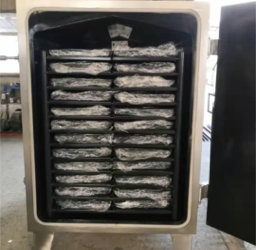
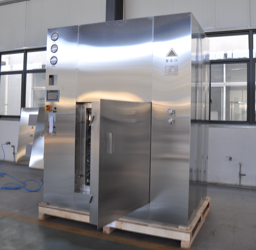
A dry-heat sterilization cabinet, also known as a hot air oven, serves as the primary apparatus for conducting dry heat sterilization. These cabinets are meticulously designed to provide uniform heat distribution throughout the sterilization chamber, ensuring consistent and reliable sterilization results. Typically constructed from robust materials such as stainless steel, dry heat sterilization cabinets offer durability and resistance to corrosion, which is essential for their frequent use in medical and laboratory settings.
Mechanism of Operation:
Dry-heat sterilization cabinets operate on the principle of convection, wherein heated air circulates evenly within the chamber, enveloping the items to be sterilized. This circulation ensures uniform exposure to elevated temperatures, guaranteeing thorough sterilization without the need for direct contact between the heating element and the objects.
At the heart of the dry heat sterilization cabinet lies a precise temperature control system, usually comprising thermostats and thermocouples, which monitor and regulate the internal temperature with remarkable accuracy. This meticulous control is essential for maintaining the desired sterilization conditions and preventing overheating, which could potentially damage heat-sensitive materials.

Applications of Dry Heat Sterilization Cabinets
Dry-heat sterilization cabinets find widespread use in various industries and settings where the sterilization of heat-resistant materials is required. Some common applications include:
- Medical and Healthcare Facilities: Dry-heat sterilization cabinets are utilized to sterilize surgical instruments, glassware, metal utensils, and other reusable medical equipment that can withstand high temperatures. They are particularly suitable for items that are sensitive to moisture or prone to corrosion, such as stainless steel surgical instruments and dental instruments.
- Laboratories and Research Facilities: In laboratory settings, dry-heat sterilization cabinets are indispensable for sterilizing glassware, pipettes, Petri dishes, and other laboratory equipment before conducting experiments or assays. They are also used for decontaminating laboratory waste and disposing of biohazardous materials safely.
- Pharmaceutical Manufacturing: Dry-heat sterilization cabinets play a vital role in pharmaceutical manufacturing processes by sterilizing vials, ampules, packaging materials, and components of drug delivery systems. They ensure the integrity and purity of pharmaceutical products while complying with regulatory standards for sterility assurance.
- Food Industry: While less common than other sterilization methods such as steam or chemical sterilization, dry heat sterilization cabinets are employed in certain sectors of the food industry for sterilizing equipment, containers, and packaging materials. They help prevent microbial contamination and extend the shelf life of food products without altering their taste, texture, or nutritional content.
- Veterinary Practices: Veterinary clinics and animal research facilities utilize dry-heat sterilization cabinets to sterilize surgical instruments, grooming tools, and other equipment used in animal care and surgery. This helps prevent cross-contamination between animals and ensures the safety and well-being of both animals and veterinary staff.
Advantages of Dry Heat Sterilization Cabinets
Dry heat sterilization offers several advantages over alternative sterilization methods, making it a preferred choice in certain applications. Some key advantages of dry-heat sterilization cabinets include:
- Compatibility with Heat-Resistant Materials: Dry heat sterilization is suitable for sterilizing a wide range of heat-resistant materials, including metal, glass, ceramics, and certain plastics, without causing damage or degradation to the sterilized items.
- No Moisture Residue: Unlike steam sterilization, which can leave behind moisture residue that may compromise the sterility of sensitive materials or promote corrosion, dry heat sterilization leaves no residual moisture, ensuring dry and sterile conditions.
- Chemical-Free Sterilization: Dry heat sterilization does not require the use of chemical agents or additives, making it an environmentally friendly and cost-effective sterilization method. It eliminates the need for hazardous chemicals and reduces the risk of chemical residues on sterilized items.
- Reliable Sterilization Performance: Dry heat sterilization cabinets offer consistent and reliable sterilization performance, with validated sterilization cycles that achieve high levels of microbial kill. They assure sterility and compliance with regulatory requirements for healthcare, pharmaceutical, and laboratory applications.
- Long-Term Durability: Dry-heat sterilization cabinets are built to withstand high temperatures and heavy use, with durable construction materials and robust heating elements that ensure long-term reliability and performance. With proper maintenance and care, these cabinets can provide years of dependable sterilization service.
Conclusion:
Dry heat sterilization cabinets represent a cornerstone in the realm of sterilization, offering a reliable, chemical-free, and versatile solution for ensuring the elimination of microbial contaminants. With their compatibility with heat-sensitive materials, energy efficiency, and ease of operation, these cabinets have found widespread application across various industries, including healthcare, pharmaceuticals, and research laboratories. While acknowledging their limitations, the advantages of dry-heat sterilization cabinets underscore their importance in maintaining sterility and safeguarding public health. As advancements in technology continue to refine sterilization methodologies, dry-heat sterilization cabinets remain a stalwart ally in the ongoing battle against contamination and infectious disease.