Introduction:
In the realm of sterilization methods, dry heat sterilization stands as a crucial technique in various industries, including healthcare, pharmaceuticals, and food production. With their ability to effectively eliminate microbial contaminants without the use of moisture, dry heat sterilization ovens play a pivotal role in ensuring the safety and integrity of products and environments. This article delves deep into the mechanisms and processes through which dry heat sterilization ovens achieve microbial elimination, exploring the scientific principles, applications, advantages, and limitations of this essential technology.
Understanding Dry Heat Sterilization:
A dry heat sterilization oven is a technique employed to eradicate microorganisms from surfaces, equipment, and materials by exposing them to high temperatures for a specified period. Unlike other sterilization methods that utilize moist heat or chemical agents, dry heat sterilization relies solely on elevated temperatures to achieve microbial destruction. The fundamental principle behind dry heat sterilization lies in denaturing proteins and disrupting essential cellular structures within microorganisms, rendering them incapable of survival or replication.
Mechanisms of Microbial Elimination:
When subjected to high temperatures ranging from 160°C to 220°C, microbial cells experience irreversible damage to their proteins, nucleic acids, and membranes. The heat disrupts vital metabolic processes, causing protein denaturation, enzyme inactivation, and DNA degradation. As a result, microbial cells lose their structural integrity and ability to function, leading to their ultimate demise. Unlike moist heat sterilization, which relies on the penetration of steam to achieve microbial destruction, dry heat sterilization penetrates materials through conduction, making it suitable for heat-resistant items such as glassware, metal instruments, and powders.
Operational Principles of Dry Heat Sterilization Ovens:
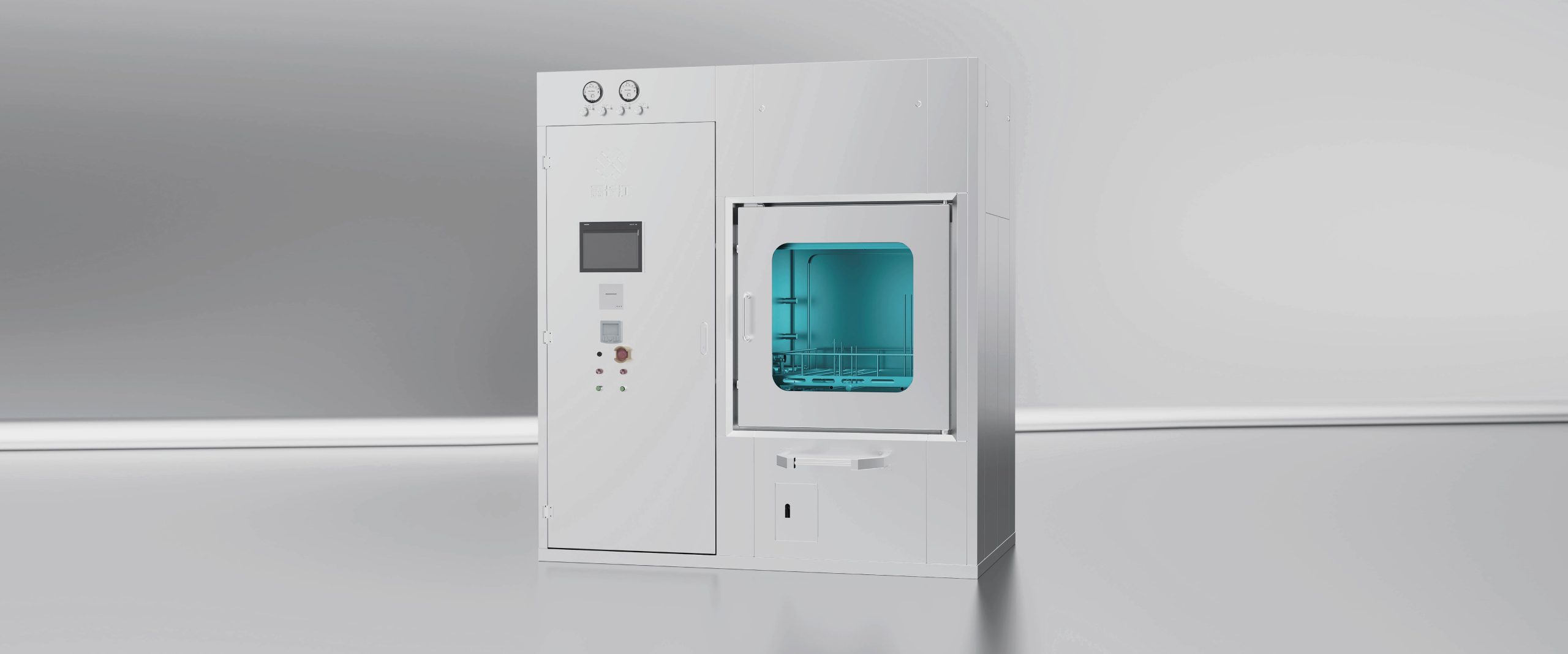
Dry heat sterilization ovens function through precise temperature control, uniform heat distribution, and sufficient exposure time to ensure complete microbial eradication. These ovens typically consist of insulated chambers equipped with heating elements, temperature sensors, and ventilation systems. The process begins with preheating the oven to the desired sterilization temperature, followed by loading the items to be sterilized onto racks or trays within the chamber. Throughout the sterilization cycle, the oven maintains a constant temperature while circulating hot air to ensure even heat distribution. The duration of the sterilization process varies depending on factors such as the type of material, the initial microbial load, and the desired level of sterility.
Applications in Various Industries:
Dry heat sterilization finds widespread use across diverse industries due to its versatility, reliability, and compatibility with heat-resistant materials. In the healthcare sector, dry heat sterilization ovens are employed to sterilize surgical instruments, laboratory equipment, and medical supplies that cannot withstand moisture. Pharmaceutical companies utilize dry heat sterilization to decontaminate drug manufacturing equipment, packaging materials, and parenteral products such as vials and ampules. In the food industry, dry heat sterilization ovens play a critical role in preserving the shelf life and safety of packaged goods, spices, herbs, and dried foods by eliminating microbial pathogens and spoilage organisms.

Advantages of Dry Heat Sterilization:
Dry heat sterilization offers several advantages over other sterilization methods, making it a preferred choice in certain applications. One significant advantage is its compatibility with heat-sensitive materials that may be damaged by exposure to moisture or chemical agents. Additionally, dry heat sterilization does not leave behind any residue or chemical residues, ensuring the purity and safety of sterilized items. Moreover, dry heat sterilization ovens are relatively easy to operate, require minimal maintenance, and have lower operating costs compared to steam sterilizers or ethylene oxide gas chambers.
Optimizing Dry Heat Sterilization Processes:
To ensure the efficacy and reliability of dry heat sterilization, it is essential to optimize sterilization processes through validation, monitoring, and documentation. Validation studies involve determining the appropriate sterilization parameters, such as temperature, exposure time, and load configuration, to achieve the desired level of microbial reduction. Monitoring of sterilization cycles involves regular calibration of temperature sensors, verification of heat distribution, and documentation of process parameters. Additionally, proper maintenance of dry heat sterilization ovens is crucial to prevent malfunctions, ensure uniform heating, and extend the equipment’s lifespan.
Future Developments and Innovations:
Looking ahead, ongoing research and innovation in dry heat sterilization aim to address current limitations and enhance the efficiency, safety, and sustainability of sterilization processes. One area of focus is the development of advanced heating technologies and equipment designs to improve heat transfer and penetration into complex materials, such as powders, textiles, and biological matrices. By optimizing heating profiles and airflow patterns, researchers seek to minimize processing times and energy consumption while maximizing microbial elimination.
Another avenue of exploration involves the integration of monitoring and control systems, such as real-time temperature sensors, data loggers, and automated process control algorithms, to ensure precise and consistent sterilization outcomes. These intelligent systems enable operators to monitor sterilization cycles remotely, detect deviations from set parameters, and make real-time adjustments to optimize performance and compliance.
Furthermore, there is growing interest in the application of novel sterilization techniques, such as microwave sterilization, radiofrequency sterilization, and infrared sterilization, which offer potential advantages in terms of speed, efficiency, and material compatibility. These emerging technologies harness electromagnetic energy to generate localized heating and microbial destruction, providing alternative approaches to traditional dry heat sterilization methods.
In addition to technological advancements, efforts are underway to enhance the sustainability and environmental impact of dry heat sterilization processes. Strategies such as energy-efficient oven designs, waste heat recovery systems, and renewable energy integration aim to reduce carbon emissions, conserve resources, and minimize ecological footprints associated with sterilization operations.
Conclusion:
The evolution of dry heat sterilization ovens reflects the continuous pursuit of excellence in microbial control and product safety across diverse industries. From its fundamental principles of protein denaturation to its application in healthcare, pharmaceuticals, and food production, dry heat sterilization remains a cornerstone of modern sterilization practices.
As we navigate the complexities of a rapidly changing world, the importance of dry heat sterilization in safeguarding public health, ensuring product quality, and meeting regulatory requirements cannot be overstated. By embracing innovation, collaboration, and sustainability, we can unlock new possibilities and propel dry heat sterilization toward a future of enhanced efficacy, efficiency, and environmental responsibility.
In conclusion, the question of “How Does Dry Heat Sterilization Oven Ensure Microbial Elimination?” is not merely a scientific inquiry but a testament to human ingenuity, perseverance, and commitment to excellence in sterilization science. As we continue to explore, innovate, and optimize dry heat sterilization processes, we reaffirm our dedication to protecting lives, advancing knowledge, and shaping a healthier, safer world for generations to come.