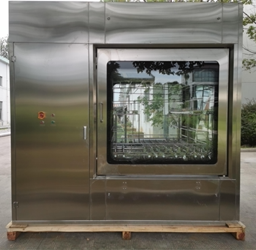
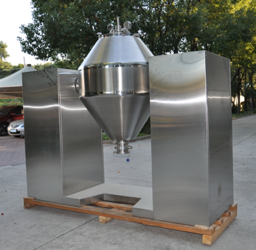
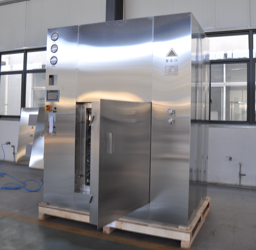
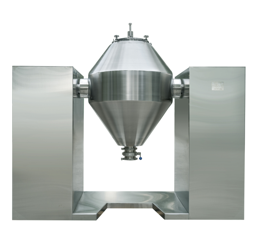
In the intricate manufacturing world, where precision, efficiency, and quality reign supreme, every step of the production process holds immense significance. Among the myriad of technologies employed in modern manufacturing, industrial vacuum dryers stand out as silent heroes, playing a pivotal role in ensuring the integrity and excellence of the final product. These sophisticated machines have become indispensable assets in various industries worldwide, from pharmaceuticals to food processing, from ceramics to electronics.
Understanding Industrial Vacuum Dryers
Industrial vacuum dryers are specialized equipment designed to remove moisture or solvents from substances under controlled vacuum and temperature conditions. Unlike conventional drying methods that rely on heat, vacuum dryers operate by lowering the pressure within the drying chamber, which reduces the boiling point of the liquid to be removed. This process facilitates faster and more efficient drying while minimizing heat exposure, making it ideal for heat-sensitive materials.
These dryers come in various configurations tailored to suit different manufacturing needs, including rotary vacuum dryers, conical vacuum dryers, paddle vacuum dryers, and vacuum shelf dryers. Each type offers unique advantages and is chosen based on factors such as the nature of the material being dried, production volume, and required drying speed.
Applications Across Industries
The versatility of industrial vacuum dryers makes them indispensable across a wide range of manufacturing sectors. In the pharmaceutical industry, where precise formulations and stringent quality standards are paramount, vacuum dryers play a crucial role in drying active pharmaceutical ingredients (APIs), granules, powders, and final dosage forms. By ensuring low residual moisture levels and preserving the potency of sensitive compounds, these dryers contribute to the safety and efficacy of pharmaceutical products.
In the food and beverage industry, vacuum drying technology is utilized to remove moisture from perishable goods such as fruits, vegetables, herbs, and dairy products. By preserving the natural color, flavor, and nutritional content of the ingredients, vacuum drying helps extend shelf life, reduce transportation costs, and minimize food waste, thus promoting sustainability and profitability.
In the manufacturing of advanced materials such as ceramics, composites, and electronic components, precise control over moisture content is essential to achieving desired properties and performance. Industrial vacuum dryers enable manufacturers to meet strict quality specifications while enhancing product consistency and reliability.

Benefits of Industrial Vacuum Drying
The adoption of industrial vacuum dryers offers a multitude of benefits that directly impact manufacturing efficiency, product quality, and cost-effectiveness. Some of the key advantages include:
- Gentle Drying: Vacuum drying minimizes thermal degradation and oxidative reactions, preserving the integrity of heat-sensitive materials and delicate compounds.
- Uniform Drying: The controlled conditions inside the vacuum chamber ensure uniform drying throughout the material, eliminating moisture gradients and reducing the risk of product defects.
- Shorter Processing Times: Compared to conventional drying methods, vacuum drying typically requires shorter drying cycles, leading to faster turnaround times and increased productivity.
- Energy Efficiency: By operating at lower temperatures and utilizing vacuum pressure, these dryers consume less energy than traditional drying equipment, resulting in reduced operating costs and environmental impact.
- Versatility: Industrial vacuum dryers can handle a wide range of materials, from liquids and slurries to solids and pastes, offering manufacturers flexibility and adaptability in their production processes.
- Improved Product Quality: By removing moisture or solvents effectively, vacuum drying helps maintain product stability, purity, and consistency, ensuring compliance with regulatory standards and customer expectations.
- Waste Reduction: The precise control over drying parameters minimizes the generation of by-products and waste, leading to higher yields and greater resource efficiency.
Future Trends and Innovations
As manufacturing technologies continue to evolve, so do industrial vacuum dryers. Manufacturers are constantly innovating to enhance efficiency, reliability, and sustainability while meeting the evolving needs of diverse industries. Some emerging trends and developments in vacuum drying technology include:
- Integration of IoT and Automation: By incorporating sensors, data analytics, and automation systems, manufacturers can optimize dryer performance, monitor process parameters in real time, and proactively address maintenance issues, thus maximizing uptime and productivity.
- Advancements in Material Handling: Innovations in dryer design and material handling systems enable seamless integration with upstream and downstream processes, streamlining material flow and enhancing overall production efficiency.
- Energy Recovery and Waste Heat Utilization: Efforts are underway to harness waste heat generated during the drying process for other applications within the manufacturing facility, thereby improving energy efficiency and reducing the environmental footprint.
- Customization and Modular Design: Manufacturers are offering customizable solutions and modular designs that allow for easy scalability, adaptation to specific processing requirements, and future expansion, providing greater flexibility and investment protection.
- Focus on Sustainability: With a growing emphasis on sustainability and environmental stewardship, manufacturers are exploring eco-friendly drying technologies, such as heat pump vacuum dryers, solar-assisted dryers, and vacuum freeze-drying systems, to minimize energy consumption and greenhouse gas emissions.
Conclusion
In conclusion, industrial vacuum dryers play a vital role in modern manufacturing by providing efficient, reliable, and versatile solutions for moisture removal and product drying. From pharmaceuticals to food processing, from ceramics to electronics, these sophisticated machines enable manufacturers to achieve superior product quality, optimize production processes, and meet the demanding requirements of global markets. As technology continues to advance and industries evolve, the role of industrial vacuum dryers is poised to expand further, driving innovation, sustainability, and competitiveness across diverse sectors of manufacturing.