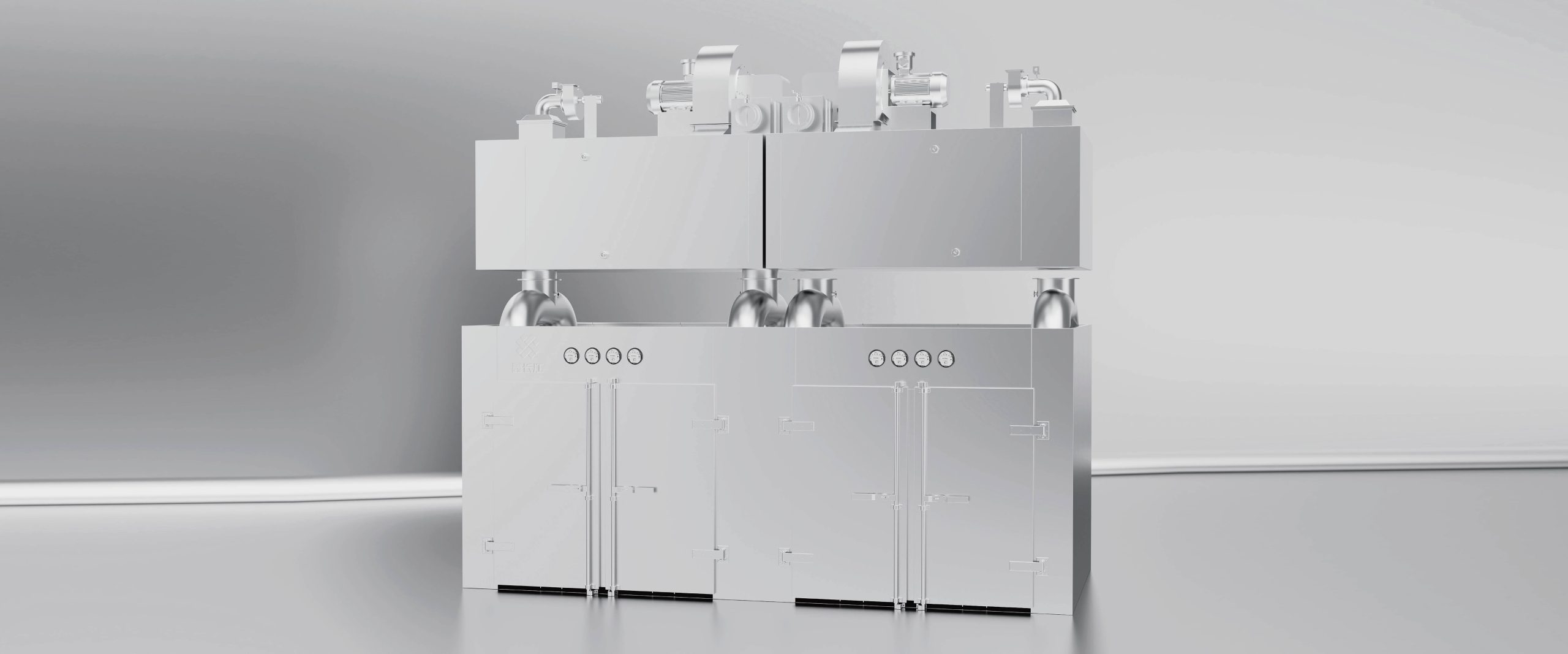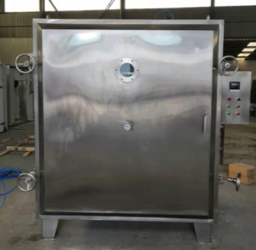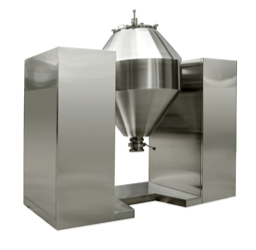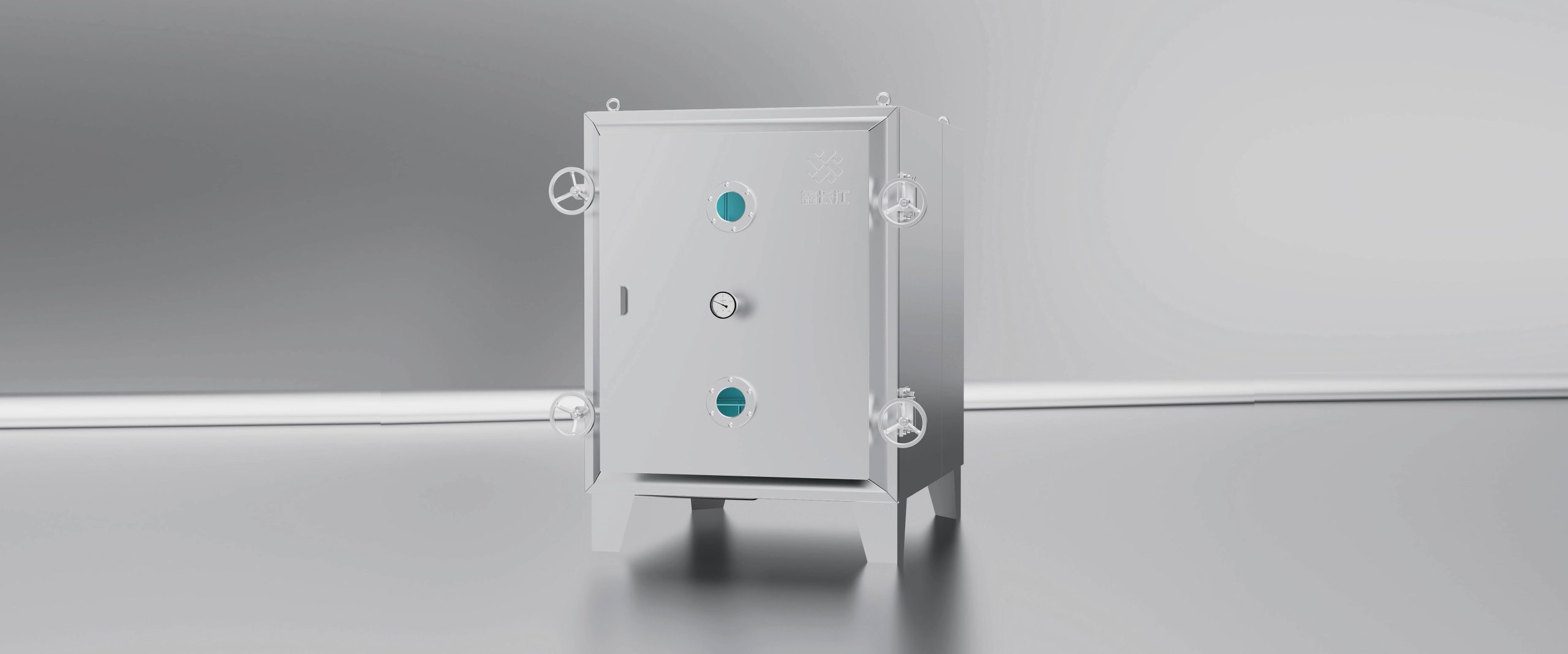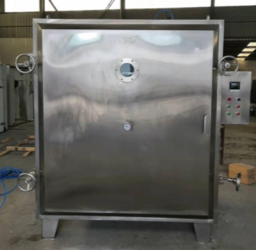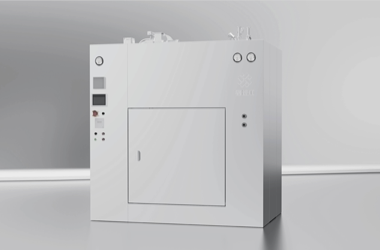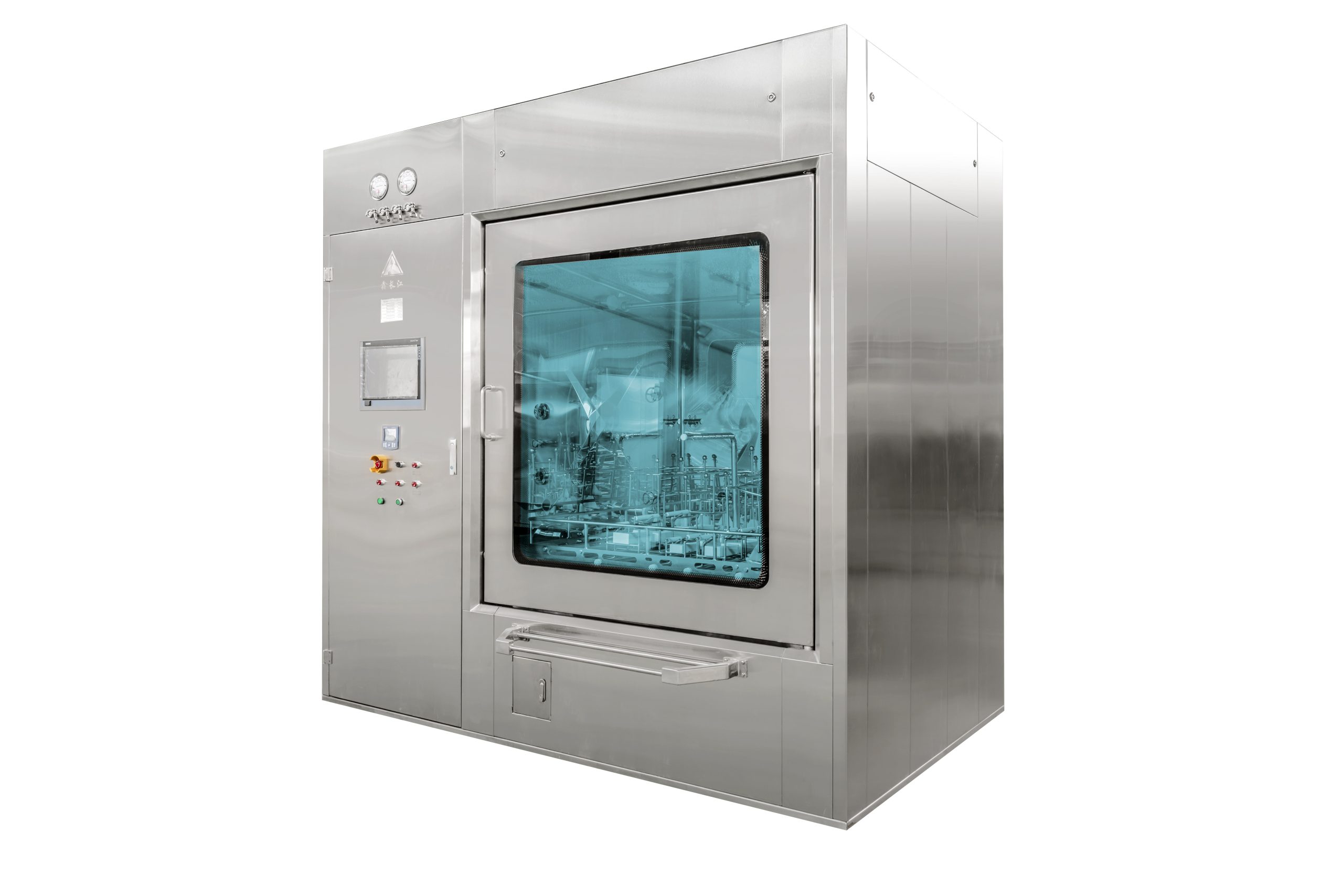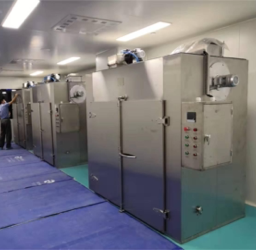
Technical Characteristics
1. The products and brands have a high level of recognition
2. Excellent product workmanship
3. Can be customized according to non-standard customer requirements
4. Leading product performance
5. Customize control procedures according to customer process requirements
6. Special external connection to avoid improper operation and internal leakage, and to avoid contamination of materials
Operating Procedures
Safety Operating Regulations for Oven
The oven should be used within the temperature range specified on the nameplate, and it must be well-grounded.
Flammable items such as oil pans, oil drums, cotton yarn, cloth scraps, etc. shall not be stacked near the oven, and washing, painting, and spraying work shall not be carried out near the oven.
To prevent other objects from falling into contact with the resistance wire at the bottom of the oven and causing a short circuit.
Before opening the oven, the power must be cut off first. Do not leave during the heating process.
Do not store items such as tools, equipment parts, and volatile oil in the oven.
Parts that have been washed with flammable liquids such as gasoline, kerosene, alcohol, and banana water, as well as items that have been painted, should be left at room temperature for 15–30 minutes. Only after the majority of the flammable liquids have evaporated can they be placed in an oven for baking. Ventilation should be noted indoors.
The oven should not be cleaned during operation, nor should it be wiped with gasoline.
Nonmetallic items must be heated in an oven according to the process procedures.
Before working, the ventilation gate of the oven must be opened to prevent an explosion.
Before use, it is necessary to check the automatic control device, whether the indicating signal is sensitive and effective, and whether the electrical circuit insulation is intact and reliable.
The tuning steps for PID controller parameters are as follows:
(1) Firstly, pre-select a sufficiently short sampling period for the system to work;
(2) Only add proportional control until the system experiences critical oscillation in response to the input step, and record the proportional amplification coefficient and critical oscillation period at this time;
(3) Calculate the parameters of the PID controller through a formula under a certain degree of control.
Operational Principle
The hot air circulation oven is mainly used for drying and dehydration of materials and belongs to a type of dryer. This hot air circulation oven mainly relies on air as the carrier and can be heated using steam, electricity, or thermal oil as the heat source. After the room temperature air outside the oven enters the equipment through a heat source, it exchanges heat with the material and can take away the moisture generated during material evaporation. After multiple cycles, the moisture content inside the box will increase, and at this time, the dehumidification fan equipped with the equipment will start working to discharge some high-humidity hot air, thereby achieving a drying effect.
Specification Parameter Table
| Model | CT-C-IV |
| Industrial Standards | RXH-54-C |
| Evaporation Area(m2) | 56.5 |
| Effective VoLumefm3) | 10.3 |
| Drying Capacity (kg/batch) | 480 |
| Radiator Area(m2) | 100 |
| Steam Consumption (kg/h) | 80 |
| Electric Heating Power (kW) | 60 |
| Fan air Volume (m3/h) | 20000 |
| Fan Power (kW) | 0.75*4 |
| No-load Uniformity of Hot Water (C) | ±5 |
| Overall dimensions W*D*H (mm) | 4240*2100*1970 |
| Quantities of drying trucks (set) | 8 |
| Quantities of Baking Trays (pcs) | 192 |
| Equipment weight (kg) | 2420 |